
כתוב בסי' עבודת ישראל (בתפילת יהי רצון שבברכת כהנים לפני אמירת תיבת "שלום") "בהתר ולא באיסור". "התר" נכתב עם פת"ח תחת הה"א וקמ"ץ תחת הת"ו. איזה מילה היא זו?
Friday, June 10, 2022

Tuesday, May 31, 2022
Clarification of a שוא נע rule
As the Shabbos before my mother's yahrtzeit, I will lain this הפטרה from time to time. In 2014 was actually my first time laining הפטרת במדבר. (It did fall out this way three years prior but there was a בר מצוה in shul.) I came across something I thought odd and eventually discovered an interesting nuance of which I was not previously aware. Going through my other stuff on במדבר it appears Elie's post addresses almost the exact same issue. But I found it a little difficult to follow (probably my fault, not his) and so I thought I'd lay out in simpler English:
There are a number of reasons a שוא would be נע. There is a well-known mnemonic - א ב ג ד ה ו where each letter stands for a different rule. The ג stands for תנועה גדולה. If the שוא is preceded by a קמץ, for example (except if it's a קמץ קטן,) the שוא should be נע. However, I recalled that there is an exception to this rule. If the letter with the קמץ has a trop on it, it does not make the שוא נע. I was therefore puzzled when I saw in my תיקון:
וְעָ֤נְתָה שָּׁ֙מָּה֙ כִּימֵ֣י נְעוּרֶ֔יהָ
The שוא under the נ of וענתה was shown to be נע. But what about the note on the ע?
I have the big monster of a תיקון סימנים which has a thorough discussion of the rules in the front. He goes into detail about this exception. Indeed, there is an exception to the exception. Not surprising in the world of דקדוק*. The trop only prevents the שוא נע if it is in its natural position. If the word were on its own, where would the note be? We see from דברים כ"ה:ט וְעָֽנְתָה֙ וְאָ֣מְרָ֔ה that the natural accent is מלרע. In our case, it is pushed forward by the מלעיל accent on שמה and the rule of נסוג אחור. Since the מהפך on the נ is not its natural position, the שוא remains נע, just as it does in בראשית ל:ל"ג וְעָֽנְתָה־בִּ֤י צִדְקָתִי֙.
* I recently heard a great quote from R' Yaakov Kamenetsky: "In דקדוק, there are no exceptions. There are simply more rules."
* I recently heard a great quote from R' Yaakov Kamenetsky: "In דקדוק, there are no exceptions. There are simply more rules."
Tuesday, March 29, 2022
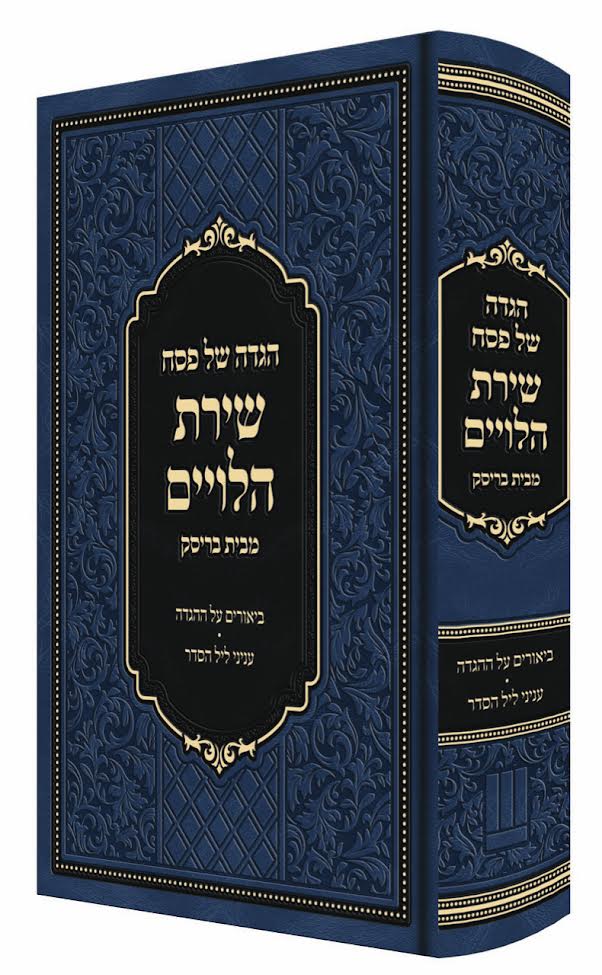
הגדה של פסח - שירת הלויים
Have you ever wondered which הגדה would provide the most authentic text along with clear דקדוק guidance? I used to. But a newly re-published הגדה solves it all - שירת הלויים - מבית בריסק, authored by Rav Aryeh Leib Lopiansky. The text of the הגדה has been combed through and edited by none other than Rav Nissan Sharoni, author of the renowned אם למקרא ולמסורת. Accents and שוא נע's are indicated and you will find corrections to some of the more common textual mishaps found in most הגדות, such as דְזַבִּין אבא, as we have discussed.
This is a rather large volume. The הגדה portion is at the front with commentary from various Brisker גדולים followed by a larger section filled with longer shtiklach on various ענינים related to the סדר. I just picked up my copy locally.
As a visual aid, this is what you should be looking for:
Wednesday, December 22, 2021
משנה יומית
I know this is clearly not as critical as קריאת התורה but I have a very strong urge to make a big deal about this. I have been doing the משנה יומית for some time now and the program is about to complete ש"ס once again this Friday. A number of organizations have recently jumped on the bandwagon to get behind the program for the next cycle. There's one problem - they're calling it Mishnah Yomi. It's not that complicated. Mishnah is most certainly feminine. However, a local rav appeased me greatly by pointing out that the organizations that are supporting this effort appeal to a wide spectrum of frum Jews such that some might call it Yomis and some Yomit. Opting for the grammatically incorrect Yomi might very well have been the right call to avoid מחלוקת and promote אחדות. (And I used the Hebrew spelling there for the very same reason 😀.)
Either way, I shouldn't let all that get in the way of encouraging everyone to join the program. Only 2 mishnayim (I'm kidding, mishnayos) per day, finishing all of ש"ס in under 6 years! Here's a link to a calendar from, ironically, https://www.mishnahyomit.com.
Thursday, November 14, 2019
Parshiyos with a common shoresh
My 4th grade daughter came home with an extra credit question last week - to name the פרשיות that share a common שורש. This is a particularly fun exercise (for those who find this kind of thing fun) because you start out thinking it won't be so many but in the end, there are a lot. Here's what I found:
לך לך
וילך
וירא
וארא
ראה
חיי שרה
ויחי
ויצא
כי תצא
וישלח
בשלח
שלח לך
בא
כי תבא
משפטים
שופטים
תצוה
צו
כי תשא
נשא
בחוקתי
חוקת
Some statistics: two instance of a group of three, only one pairing that appears within the same ספר.
Did I miss any? Is there a case to be made that במדבר and דברים share commonality?
Wednesday, January 31, 2018
ט"ו בשבט הגיע
Ok, I'm not sure why this has never bothered me as much as it has this year but that's just the way things go sometimes. It seems no matter where you go, where you turn, the name of this holiday is misspelled. Now, I have long believed that there can never be an absolute set of rules for Hebrew transliteration but I think the misspelling of this holiday speaks to a lack of understanding of one of the rules of דקדוק and so, while I stand on my soap box, I should probably take the opportunity to explain the situation.
So, for starters, I believe it should be Tu BiShvat. I have very rarely seen it spelled that way. I see plenty of B'Shevat, BeShevat, etc. Kudos to BaltimoreJewishLife.com for modifying the title of this article to reflect the correct spelling.
Interesting fact: Shevat is the only month in our calendar that begins with a שוא underneath the first letter. As a general rule (with very few exceptions) a שוא underneath the first letter of a word is a שוא נע. The common prefix for "in" or "of" is בְּ, with a שוא under the ב. So, six months ago we had Tu BeAv. However, there is a rule that a word may not begin with two consecutive שוא's. (One day, I plan to dedicate a post to why very often the change from a וְ to a וַ is not מעכב because of this rule.) So, to accommodate this rule the vowel underneath the ב becomes a חיריק. Consequently, because the ש is no longer the first letter, the שוא also becomes a שוא נח. And so we have BiShvat.
Sunday, April 10, 2016
Songs that get it wrong
I figured on the heels of my recent (re-)post about the mistake in הרחמן הוא יקים it might be fun to compile a list of songs which commonly include mispronounced words. (Have to admit, partly inspired by this video.) We'll start with this one and another one in the comments of the source of that post. I'll add to the main list as I receive suggestions through comments or by email.
RED = חירוף וגידוף alert!
| Proper pronunciation: | Commonly mispronounced: |
| הרחמן הוא יקים לנו את סוכת דוד הַנֹּפֶלֶת | הַנֹּפָלֶת |
| טוב לי תורת פיך מאלפי זהב וָכָסֶף | וָכֶסֶף |
| הנה אנכי שלח לכם את אליה הנביא | אליהו הנביא |
| הוֹדוֹ על ארץ ושמים | הוֹדוּ |
| ברוך הוא אלקינו שֶׁבְּרָאָנוּ לכבודו | שֶׁבָּרָאנוּ |
| מי כמוך בעל גבורות | בל גבורות |
| וְקוֹיֵ ה' יחליפו כח | וְקוֹוֵי (Sorry, Dedi) ** UPDATE: Sorry, Dedi, again. It seems this exact text is not so clear-cut. |
Subscribe to:
Posts (Atom)
